 +90 534 412 07 07
 info@ravilla.com.tr
 E-Katalog
 Tables
 Chairs
 Side Tables
 Seating Groups
 Garden Furniture
 Consoles

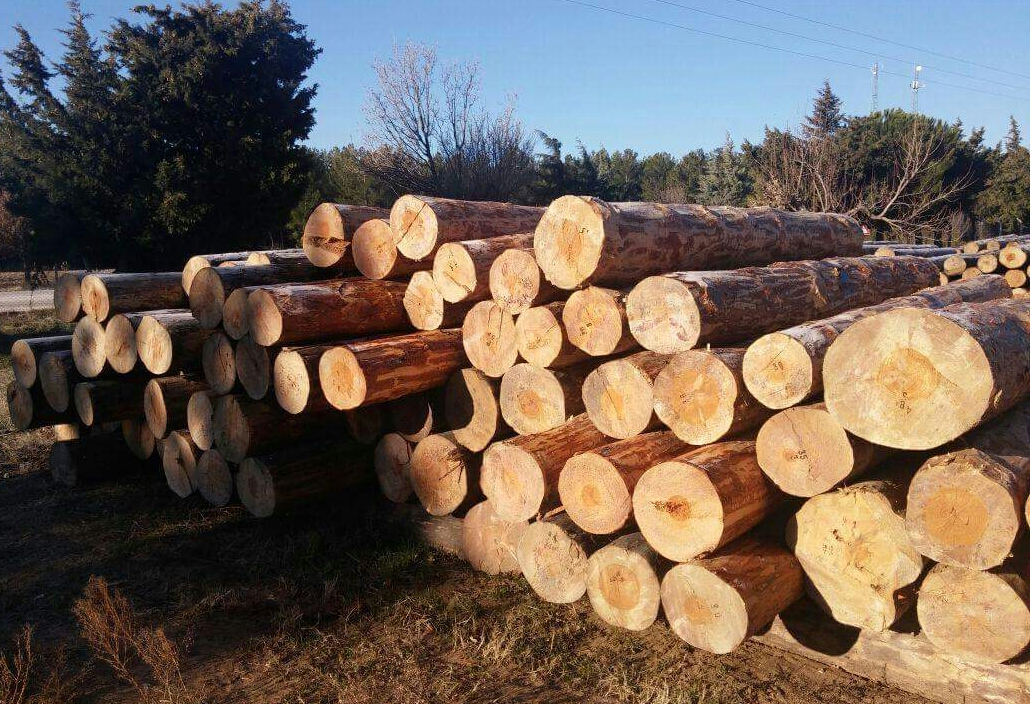
Sawing logs into lumber is one of the most important production stages that determines wood quality. The direction in which a tree is cut, how it is sliced, and how it is sawn according to its grain structure directly affect the durability, appearance, and lifespan of the resulting lumber. Proper cutting techniques are especially important in the production of tables, chairs, and natural wood products.
For quality furniture manufacturers, selecting good wood alone is not enough; the log must also be processed professionally.
Why Is Log Sawing Important?
A wrongly cut log can cause cracking, twisting, warping, or high waste rates in later stages, even if it comes from high-quality wood. A properly sawn log, on the other hand, is used more efficiently and produces stronger lumber.
Advantages of Proper Sawing:
• More durable lumber is obtained.
• The risk of warping and movement is reduced.
• Aesthetic grain patterns are preserved.
• Waste is minimized.
• Furniture quality increases.
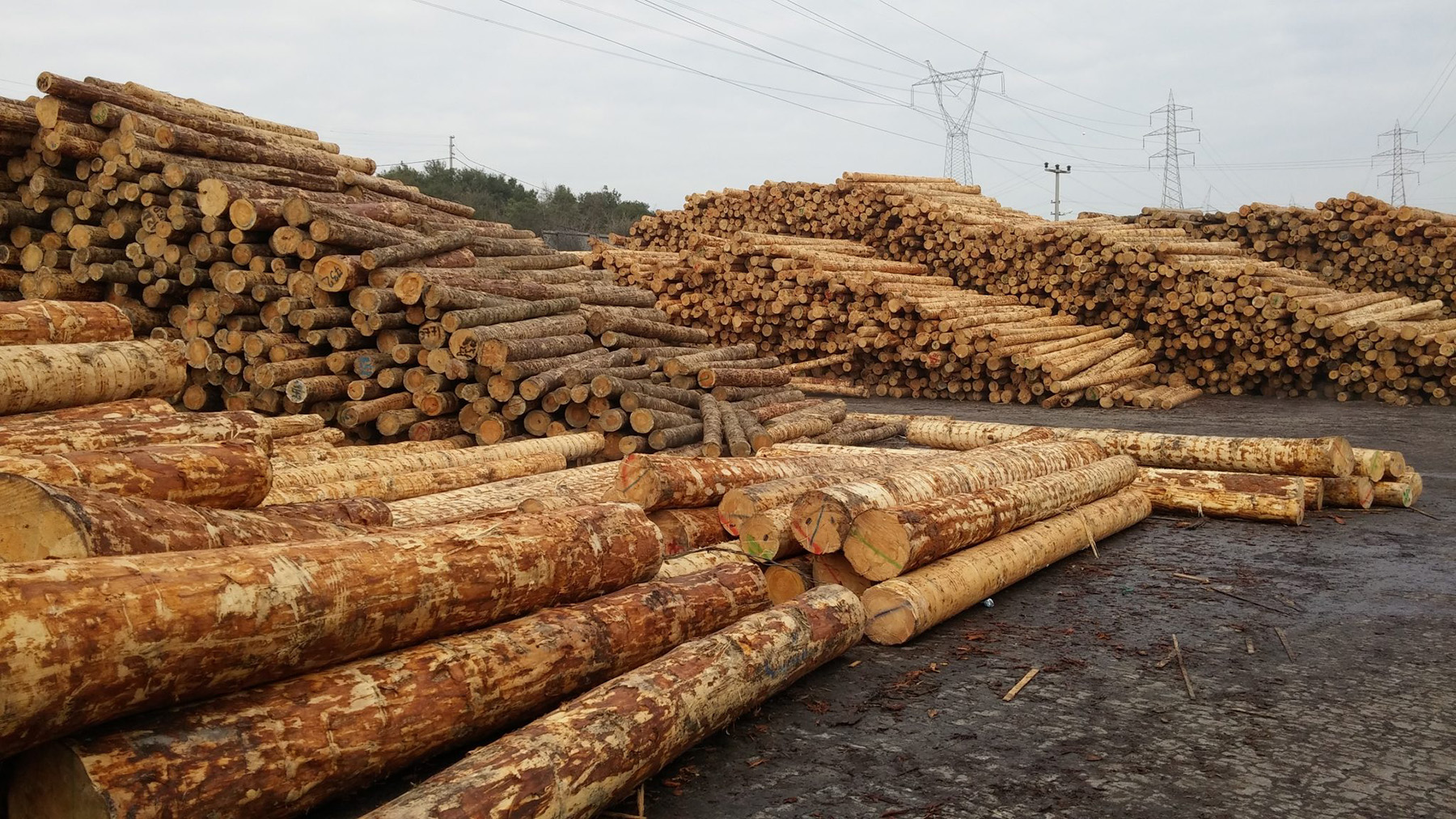
How Are Logs Sawn into Lumber?
1. The Grain Direction Must Be Examined
Every tree has a different grain structure. Before cutting, the grain direction, center line, and natural structure of the log should be examined. This helps determine which sections are suitable for table tops, chair legs, or decorative surfaces.
2. A Cutting Plan Should Be Made According to Intended Use
Not every piece obtained from a log is used for the same purpose. For example, wide and patterned pieces may be suitable for table tops, while narrower and stronger sections may be preferred for chair frames.
3. Balanced Cutting Should Be Applied
Removing too much from one side of the log can disturb internal tension. For this reason, balanced and symmetrical cutting is important. In professional facilities, this process is carried out with precision machines.
Main Lumber Sawing Methods
Radial Cutting
This is cutting performed perpendicular to the center of the tree. It provides a more stable and uniform grain structure. It is preferred in premium furniture.
Tangential Cutting
This is a more economical and common method. It can create prominent grain patterns and is frequently used on decorative surfaces.
Special Selective Cuts
In epoxy tables, live-edge tables, and custom design projects, cutting can be done while preserving the most characterful parts of the wood.
What Problems Can Incorrect Sawing Cause?
• Cracking after drying
• Warping of tabletops
• Open joints
• Excessive waste
• Low-quality surface appearance
The First Step of Quality Furniture Is Proper Cutting
In wooden furniture, quality does not begin only with the final surface finish—it starts the moment the log is first processed. Tables, chairs, and coffee tables produced from professionally sawn lumber are much more durable.
For this reason, when choosing natural wood products, how the wood has been processed and what production stages it has gone through are of great importance.