 +90 534 412 07 07
 info@ravilla.com.tr
 E-Katalog
 Tables
 Chairs
 Side Tables
 Seating Groups
 Garden Furniture
 Consoles

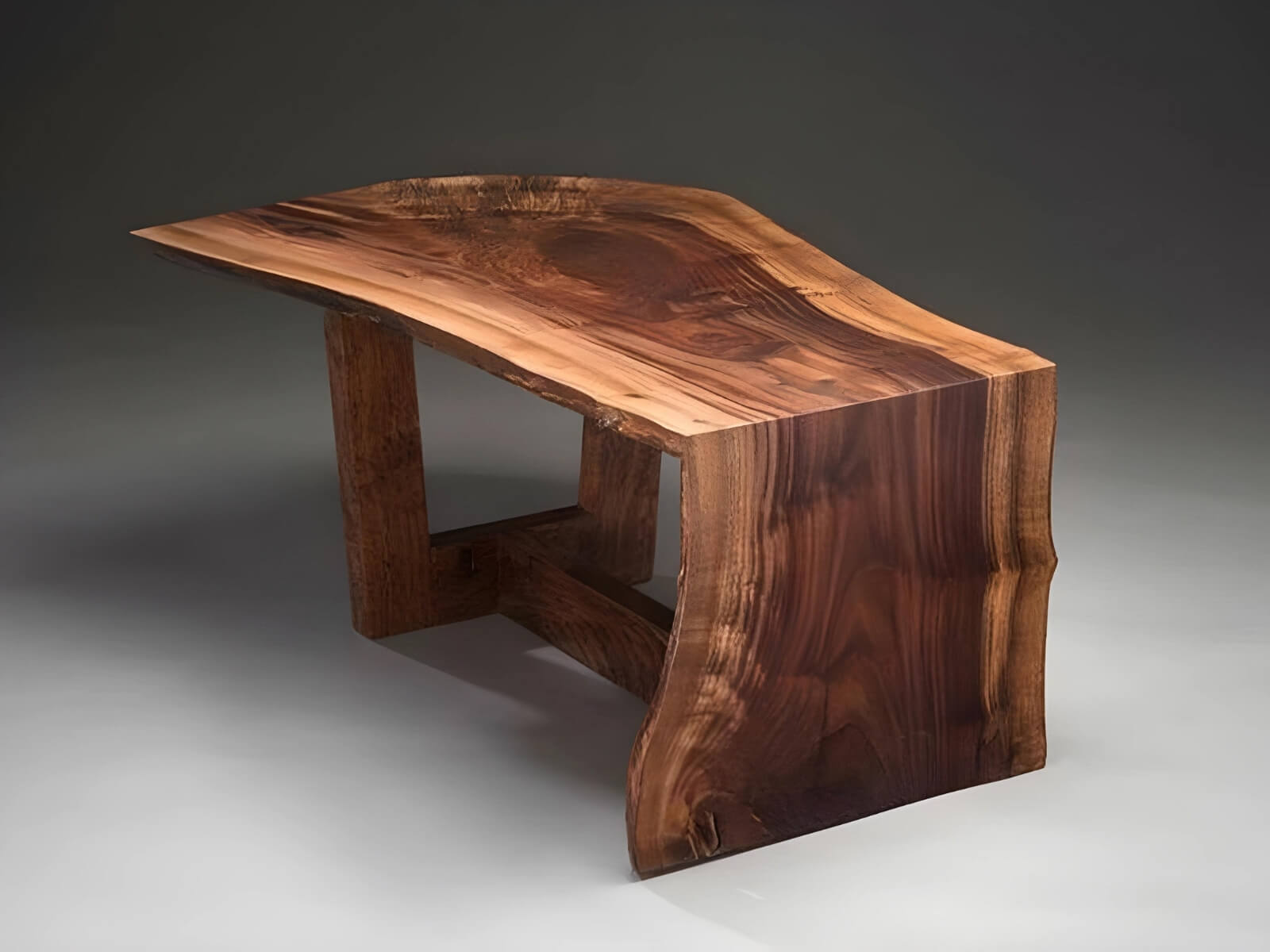
Furniture wood quality depends not only on the tree species itself, but also directly on how it is cut, when it is sawn, and how it is dried. Even the most valuable wood can develop problems such as cracking, bending, twisting, and loss of durability if it is cut at the wrong time or dried incorrectly. For this reason, proper process management is extremely important in the production of high-quality natural wood products.
For professional furniture manufacturers, the drying process is just as important as wood selection and is a fundamental part of quality standards.
When Should Trees Be Cut?
The most suitable period for cutting trees is generally during seasons when sap levels are lower. In most regions, cutting between late autumn and winter is considered more advantageous.
Why Is Winter Preferred?
• The moisture content inside the tree is lower.
• The risk of insects and fungi may be reduced.
• The drying process can be more controlled.
• The risk of cracking and movement in the wood may decrease.
For this reason, seasonal cutting planning is important in the production of high-quality tables, chairs, and natural wooden furniture.
When Should Trees Be Sawn?
Cut logs should be sawn under proper conditions without being left waiting for too long. Logs stored for extended periods may develop surface damage, discoloration, or internal cracking.
The sawing process should be planned according to the intended use of the wood. Different cutting directions may be preferred for table tops, chair legs, or decorative products.
Why Is Proper Sawing Important?
• The grain direction is preserved.
• More balanced drying is achieved.
• The risk of bending and twisting is reduced.
• Beautiful grain patterns are revealed.
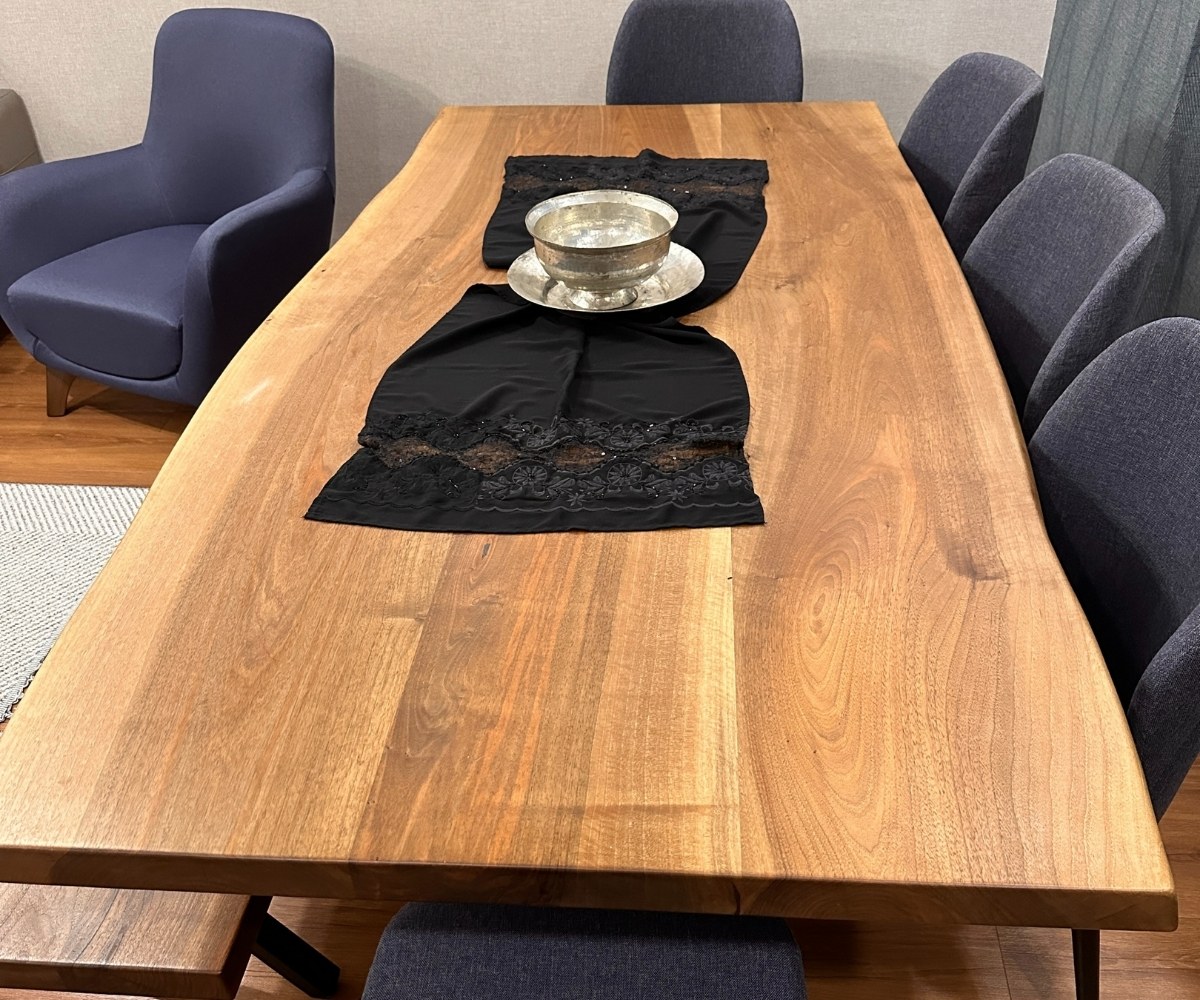
How Should Furniture Wood Be Dried?
Wood does not go directly into production after being cut. First, it must be dried to the ideal moisture level. Although this level may vary depending on the region and the final product, a controlled low moisture level is targeted in furniture production.
1. Air Drying
Wood can be naturally dried by stacking it in open or semi-covered areas. This method takes longer but provides effective results when managed properly.
2. Kiln Drying
This is the most preferred method in modern production. Temperature, humidity, and airflow are controlled carefully. As a result, the wood dries more evenly and quickly.
Quality manufacturers generally prefer kiln drying systems for table and chair production.
What Problems Can Incorrect Drying Cause?
• The wood may crack.
• Tabletops may warp.
• Joint areas may open.
• Surface defects may occur.
• The lifespan of the furniture may be shortened.
The Foundation of Quality Furniture Is Proper Drying
Producing a stylish table or chair is important, but producing furniture that remains durable for many years is equally essential. This is only possible with wood that is cut at the right time, sawn correctly, and professionally dried.
For users looking for long-lasting natural wood products, the production process is just as important as appearance.