 +90 534 412 07 07
 info@ravilla.com.tr
 E-Katalog
 Tables
 Chairs
 Side Tables
 Seating Groups
 Garden Furniture
 Consoles

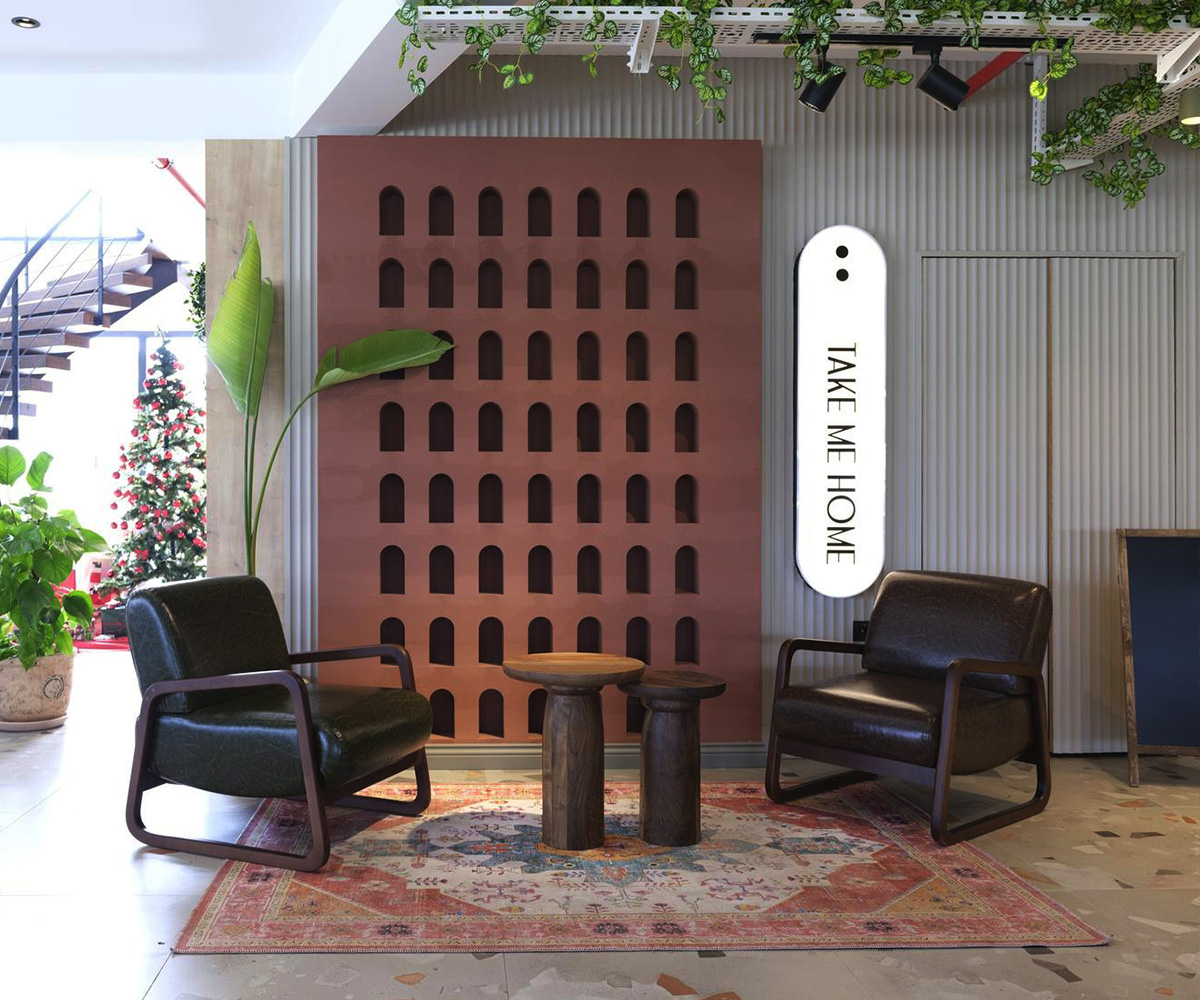
ARMCHAIR SELECTION GUIDE FOR HOTEL PROJECTS
We have compiled the key points of armchair selection for your hotel projects.
Choosing armchairs for hotel projects is not only an aesthetic decision but also a strategic one that directly affects guest experience, functionality, and operating costs. We have gathered the essential factors to consider when selecting the right furniture for lobbies, guest rooms, or relaxation areas.
1. Functionality According to the Usage Area
Every area has different dynamics. The design of the armchair should complement the character of the space where it will be used.
- Lobby Areas: This is the first impression point of the hotel. Armchairs used in these areas should have an inviting appearance while being durable enough to withstand heavy traffic. Models with a more upright seating position and easy accessibility are generally preferred. Since lobby armchairs are used intensively, the fabric or leather upholstery should have a minimum Martindale score of 100,000. In addition, fabrics or artificial leathers selected for lobby armchairs should preferably have stain-resistant properties.
- Hotel Rooms: This is the guest’s private sanctuary. Comfort-focused models with deeper seating, designed for reading or relaxation (such as Wingback or Club chairs), help create a warmer and more welcoming atmosphere in the room.
- Executive and Work Areas: Functionality is the priority. Designs with optimized armrest height and back support for laptop use should be preferred.
2. Fabric Selection and Durability (Martindale Test)
- Abrasion Resistance: For commercial projects, fabrics with a Martindale test score of at least 40,000–50,000 cycles are recommended.
- Stain Resistance: Nanotechnology-based, easy-clean fabrics help reduce maintenance and operational workload.
- Fire Retardancy (FR): According to international hotel standards (such as BS 5852), fabrics should comply with fire-retardant certification requirements.
3. Ergonomics and Dimensional Standardization
An armchair may look elegant, but it loses its value the moment it becomes uncomfortable for the user.
- Seat Height: In a standard armchair, seat height is generally between 42–45 cm. Low-profile models may appear aesthetically pleasing but can make standing up difficult for elderly guests or individuals with limited mobility.
- Back Support: Curved structures that support the lumbar area or additional cushion support help maximize comfort during extended periods of sitting.
4. Material and Frame Quality
The hidden parts determine the lifespan of the investment.
- Frame: Solid beech wood or metal construction provides long-lasting durability in high-traffic environments such as hotel projects.
- Foam: High-density (32–35 HR) foam that resists sagging helps maintain the shape of the furniture for years. A softer foam does not necessarily indicate poor quality. The key factors in durability are manufacturing quality and selecting the appropriate foam density according to the expected level of use.
A Quick Checklist for Hospitality Projects
- Leg Height: Sufficient clearance for robotic cleaning devices to pass underneath (minimum 12–15 cm).
- Arm Width: Slim-arm or armless models can help save space in compact areas.
- Color Palette: Stain-concealing colors and textures such as anthracite, tan, or patterned fabrics.
- Accessories: Hidden caster bases if mobility is required.
- Note: If vinyl (artificial leather) is preferred instead of fabric, the furniture will be more stain-resistant and significantly easier to clean.