 +90 534 412 07 07
 info@ravilla.com.tr
 E-Katalog
 Tables
 Chairs
 Side Tables
 Seating Groups
 Garden Furniture
 Consoles

HOW TO CARE FOR A WOODEN TABLE OR SOLID WOOD TABLE?
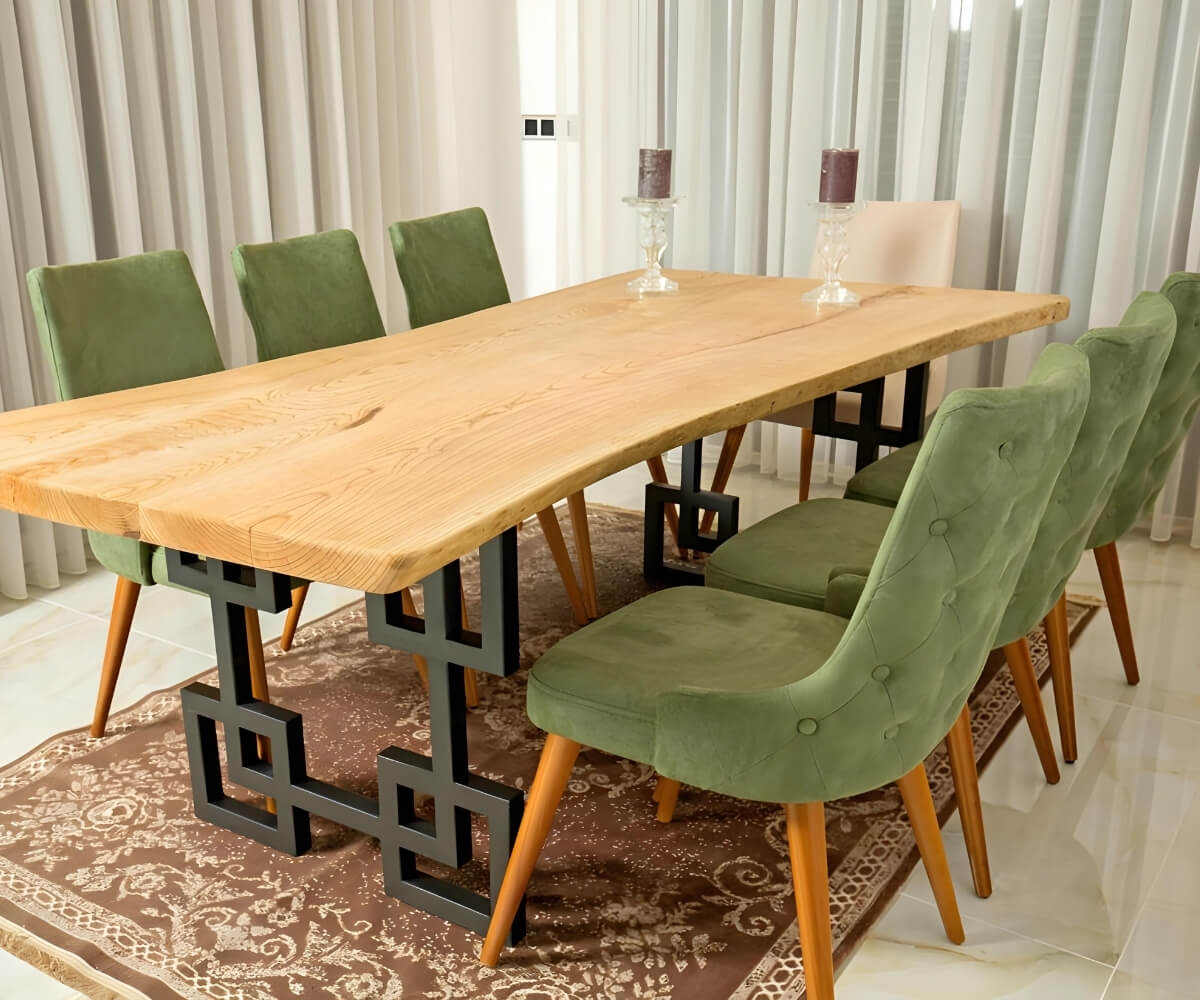
Because natural wood is a living and breathing material, it can last for generations and remain as beautiful as the day it was made when properly maintained. Preserving the quality of premium wooden tables such as the Faselis Table requires maintaining the correct moisture balance of the wood and cleaning its surface using appropriate methods.
Here is a guide to daily cleaning, periodic maintenance, and protection that will help extend the lifespan of your wooden table, such as the Tulum Table:
1. Daily and Weekly Cleaning
The biggest enemies of wooden tables are moisture, excessive sunlight, water, and harsh chemicals. To prevent your wooden table, such as the Atalay Table, from being damaged by these external factors, certain cleaning rules should be followed.
We strongly recommend using placemats, table runners, or dining mats while eating at your table. This will significantly reduce the risk of scratches and stains. As a result, the maintenance requirements of your wooden table, such as the Birgi Table, will be minimized.
- Slightly Damp Cloth: Use only a microfiber cloth or a soft cotton cloth lightly dampened with lukewarm water. The cloth should never be soaking wet.
- Dry Immediately: After wiping with a damp cloth, always dry the surface thoroughly with a clean, dry cloth to prevent the wood from absorbing moisture.
- Avoid Chemicals: Dishwashing liquids, bleach, bathroom cleaners, degreasers, alcohol-based cleaning wipes, and general-purpose cleaning products can dissolve and fade the protective oil or finish on your wooden table, such as the Milas Table. This leaves the wood unprotected, causing it to absorb and release moisture more rapidly, which may result in drying, cracking, and premature aging.
- Natural Soap: If there is an oily or sticky stain on the surface, you can safely clean it using a small amount of natural olive oil soap or traditional natural soap diluted in water.
2. Periodic Maintenance for Wooden Tables (Oiling and Polishing)
Solid wood tables require different maintenance procedures depending on their protective surface finish (oil-finished or varnish-finished). Most wooden tables and coffee tables, such as the Göreme Table featured on our website, are manufactured using special protective oils that preserve the natural texture of the wood.
Maintenance for Oil-Finished Tables
If the surface of your wooden table has lost its vibrancy and the color appears faded, it may be time for maintenance. Tables manufactured using high-quality wood oils or finishes can maintain their appearance for 5 to 10 years. This lifespan largely depends on how well the table is cleaned and maintained.
- Clean and completely dry the surface of your wooden table, such as the Amissos Table.
- Pour approximately one tablespoon of natural maintenance oil designed for wooden furniture onto a clean cloth. (If you are unsure which oil to use, you may contact Ravilla for recommendations.) Apply the oil along the grain direction of the wood using straight motions rather than circular movements.
- Allow the oil to be absorbed by the wood for approximately 5 minutes.
- Remove any excess oil that has not been absorbed by gently wiping the surface with a clean, dry cloth. Otherwise, the table surface may remain sticky.
- Do not place any objects on the table or touch it for 24 hours to allow the surface to dry completely. The oil generally reaches full hardness within 6 days, but the table can be used carefully after the first 24 hours.
Maintenance for Lacquered / Varnished Wooden Tables
If your table has a hard glossy or matte protective varnish layer on its surface, it will not absorb oil due to its structure.
- Annual Maintenance: The shine and water-repellent properties of varnished tables can be preserved by applying natural beeswax-based wood polishes once a year.
- Ease of Use: Varnished tables are generally easier to maintain and offer longer-lasting protection. However, oil-finished tables provide a more natural appearance and a richer, velvety texture.
- Repairs: Maintenance and repair of varnished tables are significantly more difficult. In most cases, damaged varnished wooden tables must be completely sanded and refinished. This process requires professional skill and experience.
3. Stain Removal and Emergency Care
- Liquid Spills: If liquids such as tea, coffee, or wine are spilled on the table, immediately absorb the liquid using a paper towel. Avoid rubbing the spill, as this may push the stain deeper into the wood pores.
- White Ring Marks (Heat Marks): Placing hot tea glasses, cups, or cookware directly on a wooden table, such as the Brutalist Wooden Table, may draw moisture within the wood to the surface, creating white rings.
- Solution: Gently and quickly passing a lighter flame over the affected area may help rebalance the heat and, in many cases, significantly reduce or completely remove the mark.
4. Golden Rules for Protection
- Use Placemats: Always use placemats when dining on your wooden table, such as the Tiflis Table. This significantly reduces the risk of stains and scratches.
- Protect from Heat: Always place trivets or heat-resistant pads under hot pots, kettles, serving dishes, and cookware.
- Avoid Harsh Chemicals: Never use wet wipes, chemical cleaners, or other harsh cleaning products for routine cleaning. Otherwise, your wooden table, such as the Ilıca Walnut Table, may age prematurely.
- Watch Sunlight Exposure: Do not position your wooden table in an area exposed to direct and prolonged sunlight. UV rays can fade the color of the wood and cause uneven discoloration. In addition, excessive UV exposure may cause wooden tables such as the Denver Oak Table to dry out excessively, potentially leading to cracking, warping, or deformation.
- Maintain Proper Humidity Levels: Wood naturally reacts to changes in environmental humidity. In excessively dry environments, such as areas near constantly operating radiators or air conditioners, wood may dry out and crack. The ideal indoor humidity level is between 40% and 60%. For this reason, it is not recommended to place wooden furniture too close to stoves, radiators, fireplaces, or other heat sources.
İbrahim Karaca
General Manager
Ravilla Wooden Furniture