 +90 534 412 07 07
 info@ravilla.com.tr
 E-Katalog
 Tables
 Chairs
 Side Tables
 Seating Groups
 Garden Furniture
 Consoles


A Selection Guide to Olive Wood Tables and Chairs
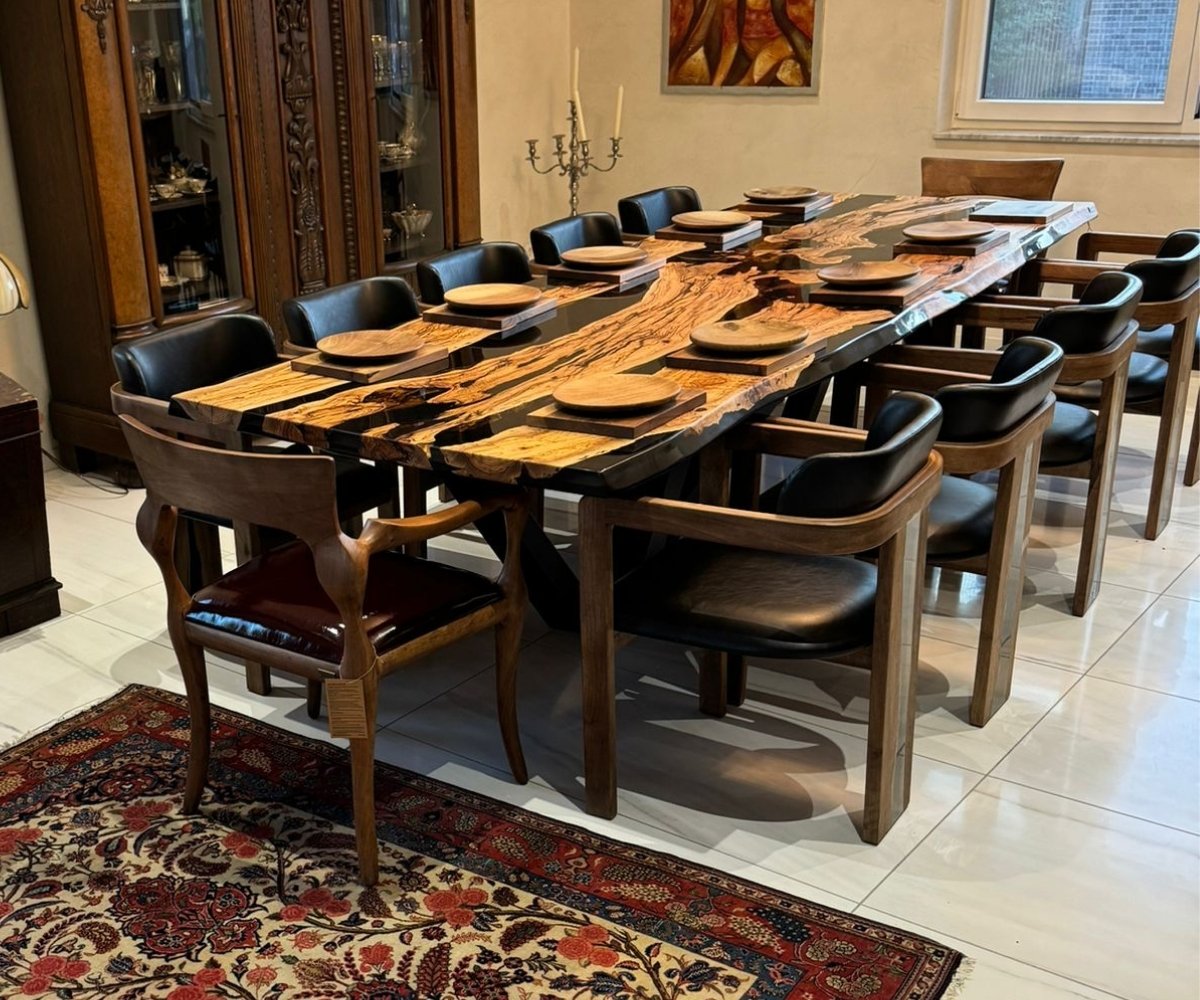
When choosing an olive wood table, the natural shape of the wood, product construction, and surface finish should be evaluated together. Those looking for olive wood chairs should also verify whether the product is actually made from olive wood. A chair that complements the table can also be made from a different material.
In This Article
How should natural shapes be evaluated when choosing an olive wood table?
Tables made from natural wood may feature variations in grain patterns, color, and shape. When examining an olive wood table, information should be obtained about the characteristics of the piece that will be delivered. It should not be assumed that the ordered product will look exactly like the example shown in photographs.
The widest measurement of a tabletop does not necessarily indicate that the same amount of usable space is available at every seating position. If the table features natural edges or a special shape, table and chair placement should be checked together.
How should wood and epoxy combinations be evaluated?
Some olive wood table models may combine wood and epoxy. In such cases, surface characteristics, color, joint details, and maintenance information should be evaluated for each product. Assumptions about the epoxy proportion or technical construction should not be made based solely on the product name.
For products with special shapes, dimensions, leg structure, and images of the piece to be delivered should be discussed before placing an order. If available, color and surface samples can be examined under the lighting conditions of the intended space.
What should you consider when looking for olive wood chairs?
When encountering a product described as an olive wood chair, its material specifications should be reviewed. A product name, model name, or color description does not necessarily indicate the actual wood species. Clear information about the materials used in the frame and other components should be requested from the manufacturer.
A chair does not have to be made from olive wood to complement an olive wood table. Different options can be considered based on wood tones, upholstery, form, and seating comfort. The availability of a particular material should not be assumed without confirming the manufacturer’s current product range.
How should maintenance and quotation processes be managed?
Maintenance should be planned according to the product’s surface finish. Information about suitable cleaning products and limitations related to heat exposure and liquids should be obtained from the manufacturer. For products combining different materials, maintenance instructions suitable for the entire surface should be requested.
When evaluating Ravilla’s existing olive wood table options, details about the intended usage area, required dimensions, and quantities can be shared. Chairs should be matched after verifying material specifications and table dimensions.
Frequently Asked Questions
Is it necessary to use chairs made from the same wood as an olive wood table?
No. Different materials can be combined when suitable color relationships and dimensional compatibility are maintained.
Does every manufacturer offer olive wood chairs?
Product ranges vary between manufacturers. Whether an available model is actually made from olive wood should be verified through its technical specifications.
Why are photographs important when ordering an olive wood table?
Images of the actual piece to be delivered or a production sample help establish shared expectations regarding variations in natural shape and wood grain.
Explore Options That Suit Your Needs
Share details about your space, the products you need, dimensions, and quantities to learn more about the available options.